

Fabric-Wrapped Panels vs PET Acoustic Panels: Making the Right Choice
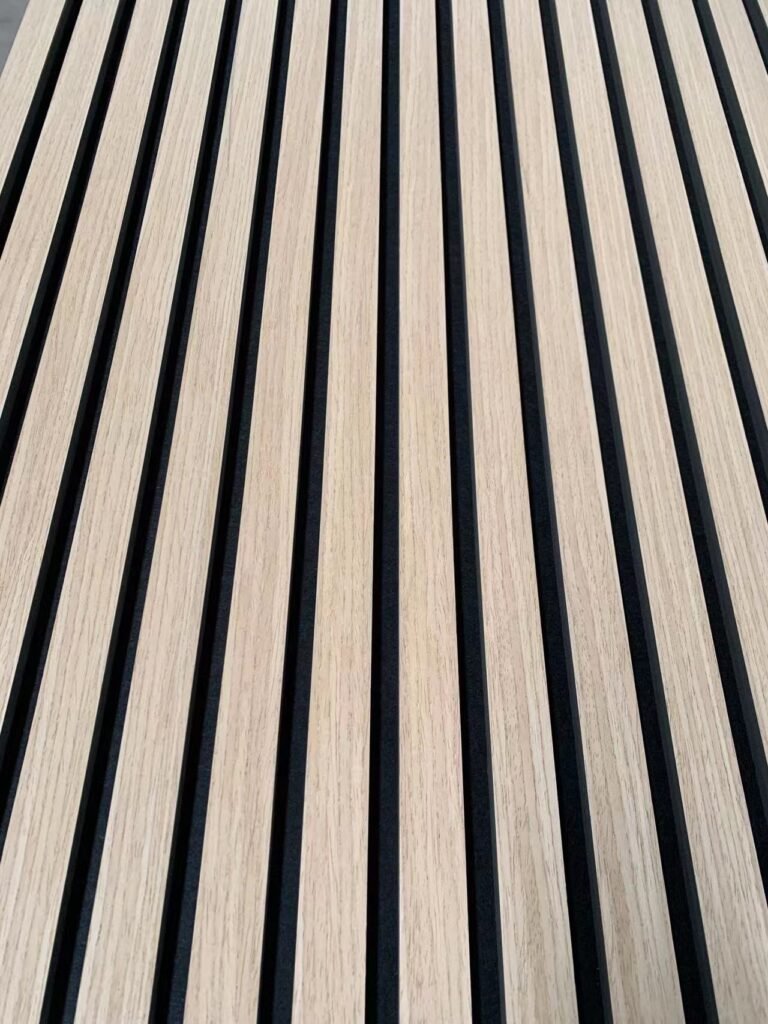
Fabric-wrapped panels and PET felt panels both absorb sound — but they suit different budgets, rooms and supply chains. A side-by-side comparison for specifiers and buyers.
Perforated Wood Acoustic Panels: How Hole Patterns Shape Performance

Perforation turns a reflective wooden surface into an absorber — but not all hole patterns perform alike. The engineering behind perforated acoustic panels, explained for buyers.
PET Felt Panel Thickness Guide: 9mm, 12mm and 24mm Compared
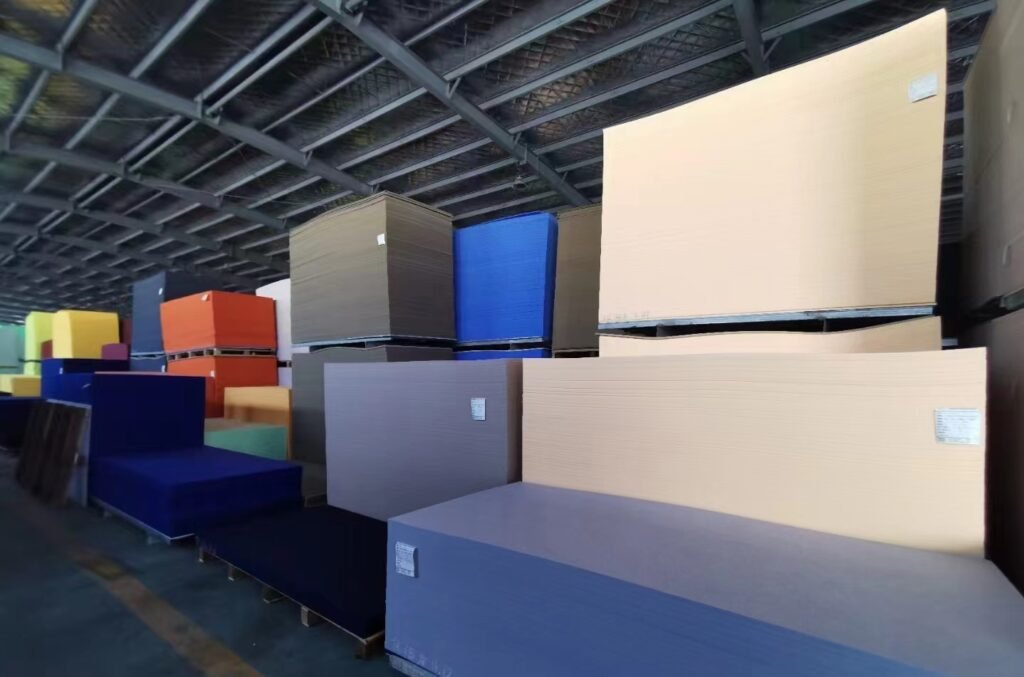
Thickness is the single biggest performance and cost decision in PET acoustic panels. What each of the three standard thicknesses does best, and where each belongs.
NRC and SAA Explained: How to Read an Acoustic Panel Test Report

NRC 0.85, SAA 0.90, octave bands — absorption data confuses many buyers. A plain-language guide to reading acoustic panel test reports before you specify.
Acoustic Panel Sourcing in 2026: Tariffs, Freight and the New Cost Equation

Landed cost, not unit price, decides acoustic panel profitability. How tariffs, freight rates and payment terms reshape sourcing decisions for importers in 2026.
Recycled PET and the Circular Economy: The Acoustic Industry’s Sustainability Shift
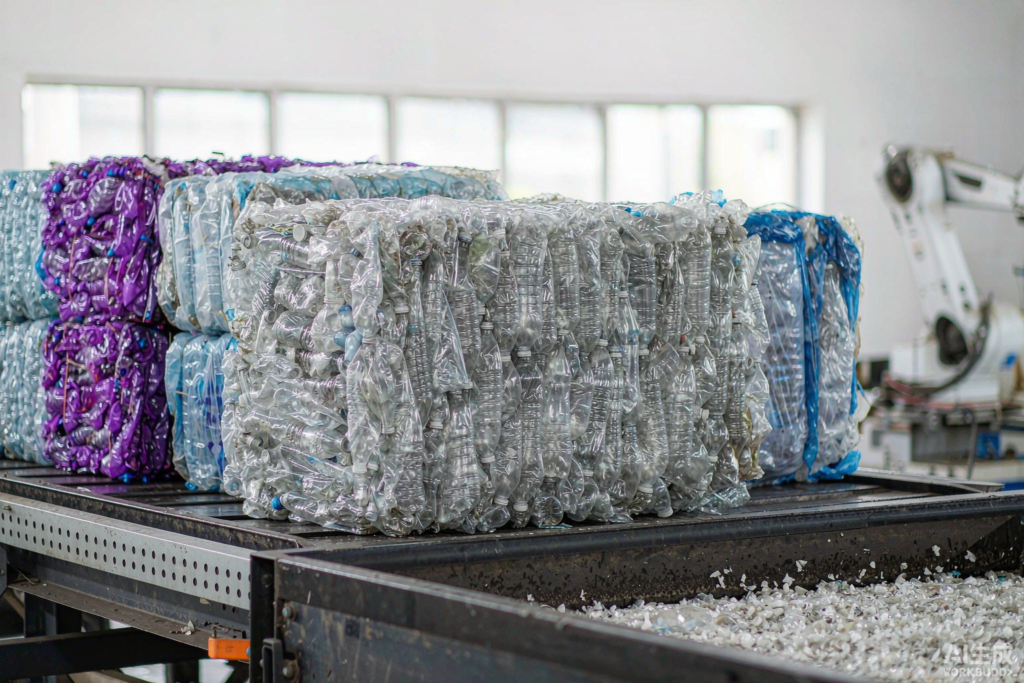
Acoustic panels made from recycled PET bottles have turned sustainability from a slogan into a supply-chain fact. What the shift means for buyers, specifiers and the industry’s next decade.
Acoustic Panel Logistics: How Packaging Design Protects Panel Quality in Transit

Acoustic panels survive weeks of ocean freight only if packaging is engineered for it. Corner protection, palletizing patterns and moisture control — an inside view from the factory floor.
How Office Acoustics Are Changing: The Hybrid Workplace Effect

Hybrid work changed what offices are for — and what they sound like. A look at how fit-out acoustics are evolving, and what it means for panel suppliers and their channel partners.
E1 and E0 Formaldehyde Standards: What Acoustic Panel Importers Must Know
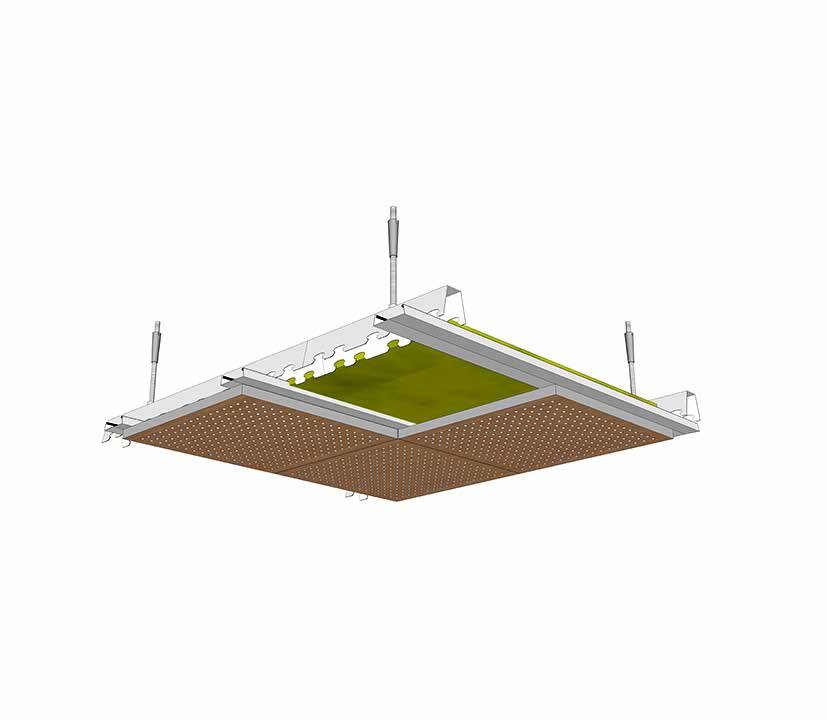
Formaldehyde class decides whether a wood-based acoustic panel can be sold in your market. A clear explanation of E1, E0, CARB and the paperwork importers should collect.
Green Building Certifications: How Acoustic Panels Earn LEED and WELL Points
LEED and WELL certifications reward both sound quality and sustainable materials. Learn which panel attributes — recycled content, low emissions, documented absorption — convert into project points.