

Wood Wool Cement Board: The Old-School Acoustic Material Making a Comeback
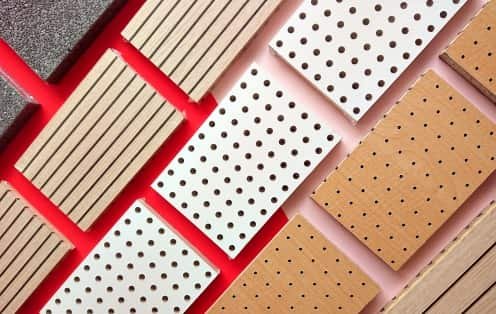
Wood wool cement board — strands of wood bound with cement — has quietly survived a century of fashion. Where this rugged acoustic material still outperforms modern panels.
Recycled PET Acoustic Panels: From Plastic Bottles to Better Rooms

How used PET bottles become high-performance acoustic panels: the recycling and manufacturing chain explained, and why the material dominates modern interior acoustics.
How to Install Acoustic Wall Panels: Adhesive, Z-Clips and Impaling Methods

Installation decides how acoustic panels perform and how long they last. A practical comparison of adhesive, z-clip, impaling and batten fixing methods for wall panels.
Moisture-Resistant Acoustic Materials: Panels for Pools, Basements and Humid Spaces

Humidity kills the wrong acoustic materials. Which panel families survive pools, basements and spa environments — and how installation details make the difference.
Fire-Rated Acoustic Materials Compared: B-s1,d0, Class A and What They Mean on Site

EN 13501-1 B-s1,d0, ASTM E84 Class A, B1, M1 — fire labels for acoustic materials come from different systems. A cross-market comparison that keeps projects compliant.
Acoustic Foam vs Acoustic Panels: Myths and Facts for Professional Buyers
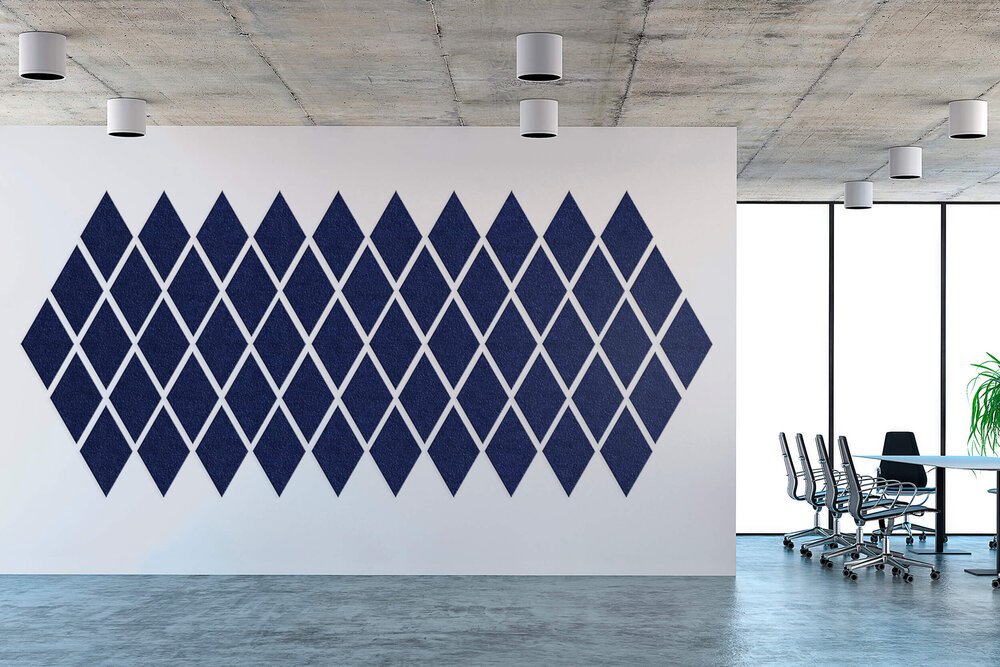
Egg-crate foam is cheap, familiar and widely misunderstood. Separating myth from fact when comparing acoustic foam with professional acoustic panels for commercial projects.
Fabric-Wrapped Panels vs PET Acoustic Panels: Making the Right Choice
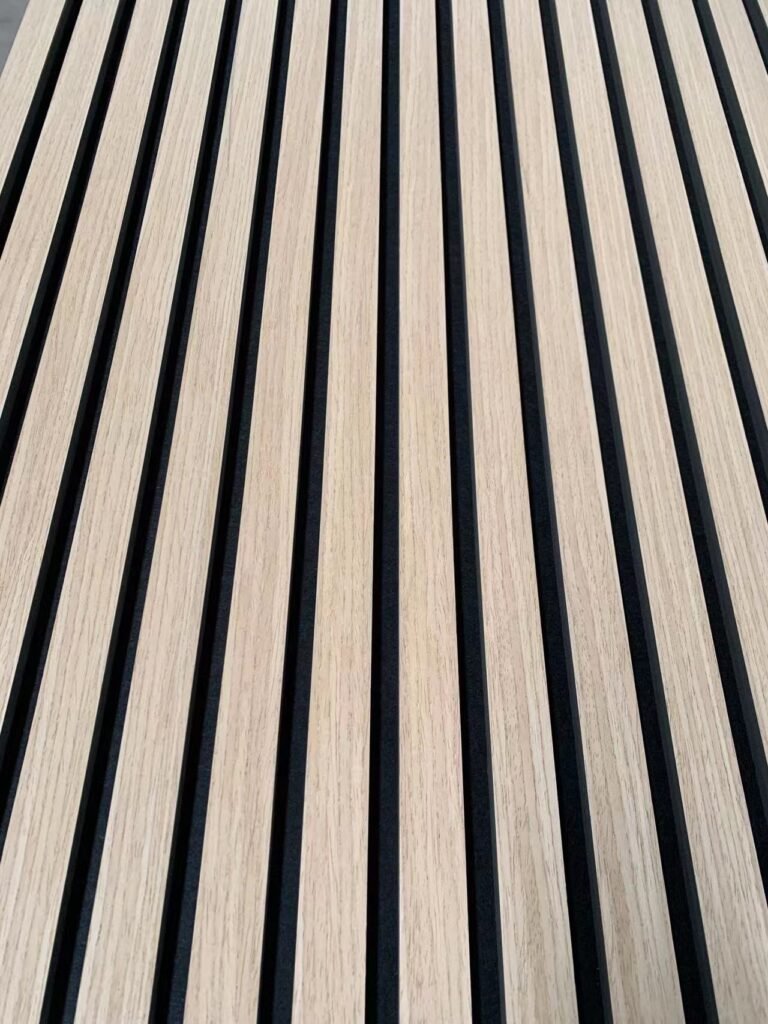
Fabric-wrapped panels and PET felt panels both absorb sound — but they suit different budgets, rooms and supply chains. A side-by-side comparison for specifiers and buyers.
Perforated Wood Acoustic Panels: How Hole Patterns Shape Performance

Perforation turns a reflective wooden surface into an absorber — but not all hole patterns perform alike. The engineering behind perforated acoustic panels, explained for buyers.
PET Felt Panel Thickness Guide: 9mm, 12mm and 24mm Compared
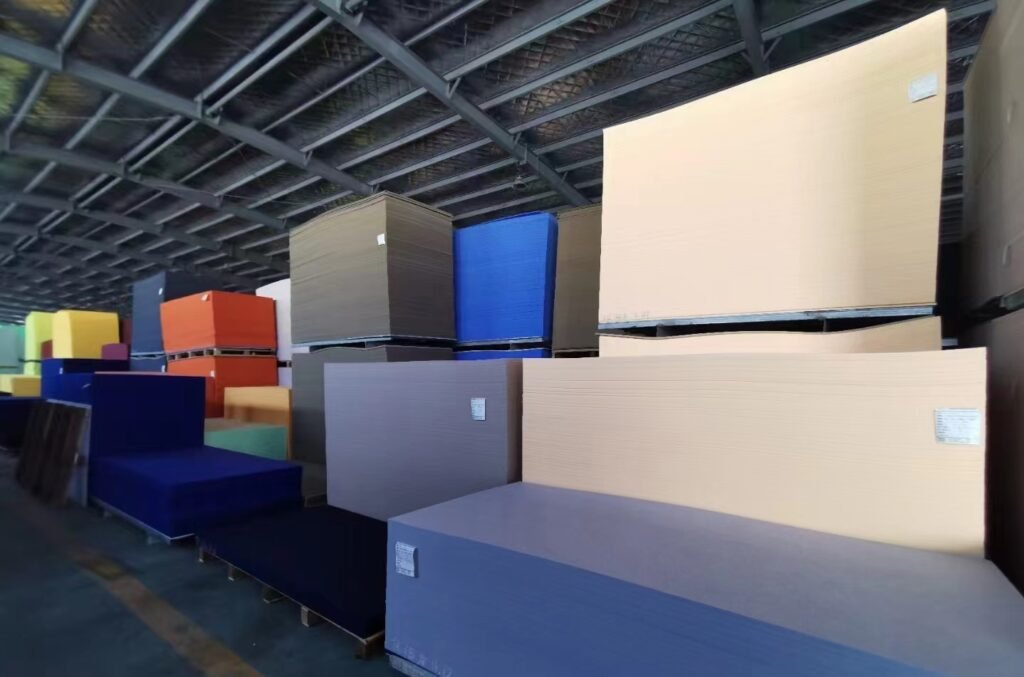
Thickness is the single biggest performance and cost decision in PET acoustic panels. What each of the three standard thicknesses does best, and where each belongs.
NRC and SAA Explained: How to Read an Acoustic Panel Test Report
NRC 0.85, SAA 0.90, octave bands — absorption data confuses many buyers. A plain-language guide to reading acoustic panel test reports before you specify.