
Absorption Meets Diffusion: Designing Walls That Sound as Good as They Look
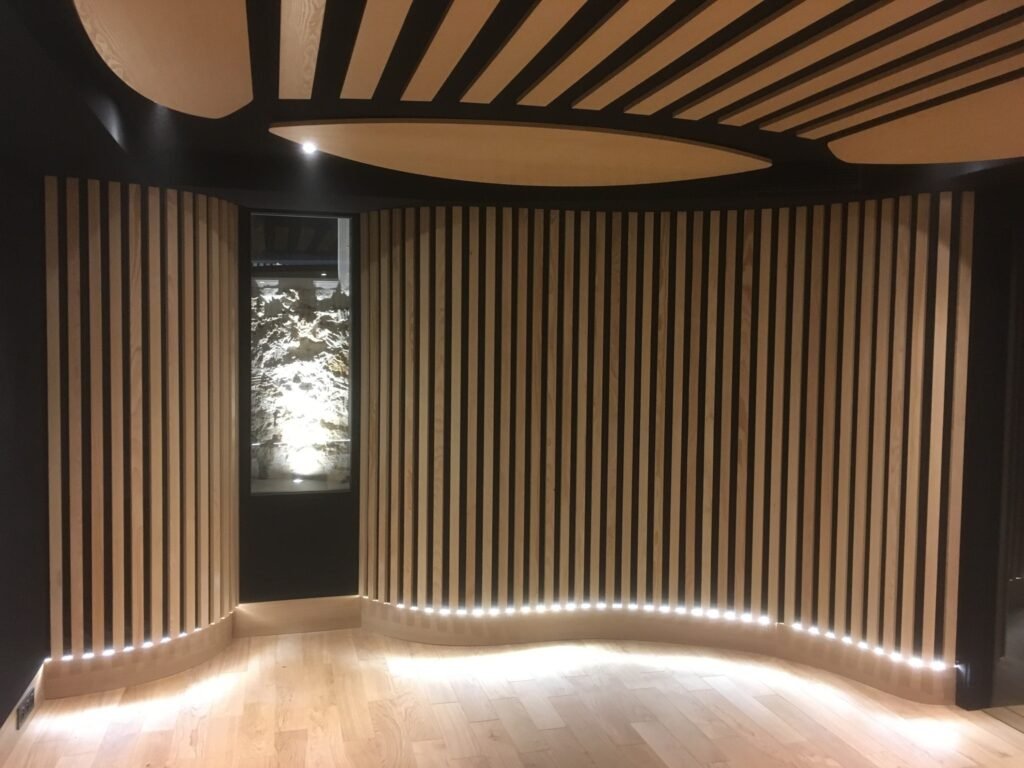
Too much absorption makes rooms feel dead. How combining absorptive panels with diffusive surfaces — slats, profiles, QRD elements — produces rooms that are controlled yet alive.
Adhesives, Z-Clips and Accessories: Choosing the Right Hardware for Acoustic Panels

The fixing system decides whether a panel performs, survives and can be removed. A buyer’s guide to adhesives, z-clips, impalers, battens and the accessories that complete an installation.
Hygienic and Washable Acoustic Panels: Specifying for Clinics, Labs and Kitchens

Healthcare, laboratory and food spaces need absorption they can clean. What makes an acoustic panel hygienic, which materials survive wipe-down protocols, and how to specify them.
Colorfastness and UV Stability of PET Felt Panels: What Buyers Should Test

Will the felt fade? A practical guide to colorfastness and UV stability in PET acoustic panels — the real risks, the tests that matter, and how to specify against fading.
RT60 Explained: Reverberation Time for People Who Buy Panels, Not Instruments
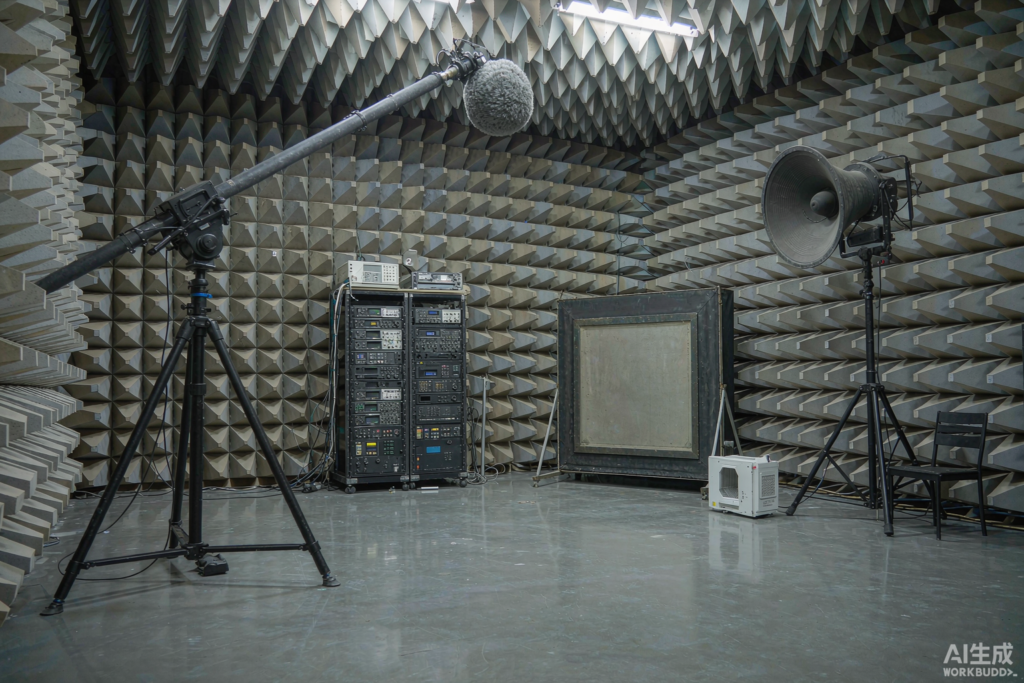
RT60 appears in every acoustic brief — a number with real consequences for panel quantities. What reverberation time means, typical targets by room type, and how panels move it.
Absorption vs Insulation: Why Acoustic Panels and Mass Loaded Vinyl Do Different Jobs
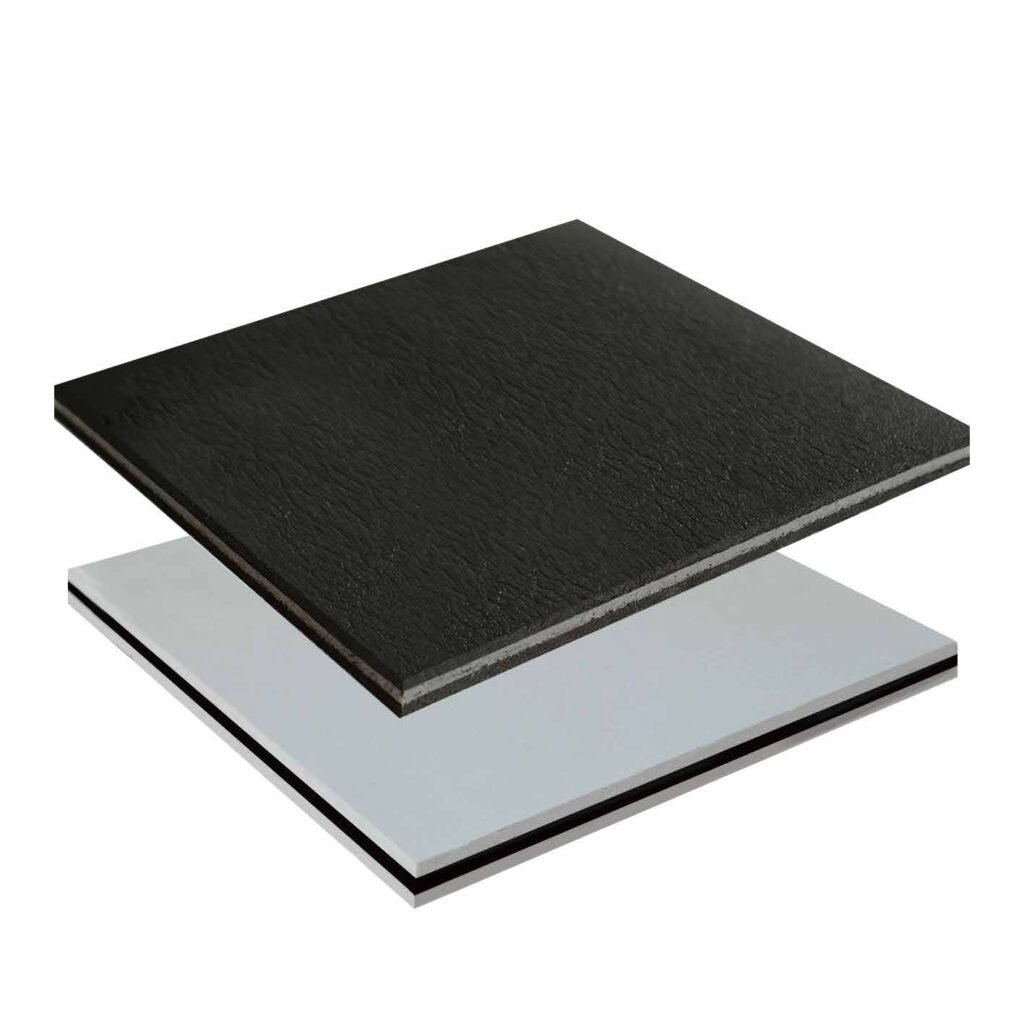
Panels make rooms quiet; barriers keep noise out. The difference between sound absorption and sound insulation, where mass loaded vinyl fits, and why confusing them costs projects.
Acoustic Dividers and Desk Screens: Flexible Absorption for Open Workspaces
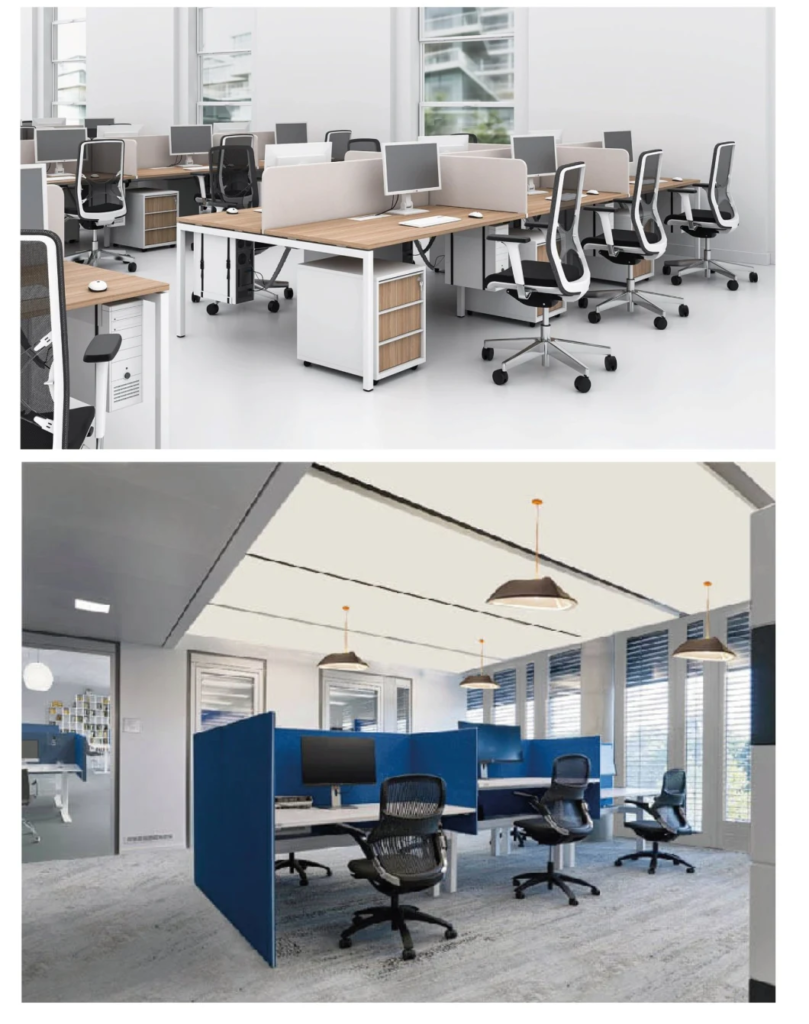
Not every acoustic problem needs construction. Desk screens and freestanding dividers add absorption, privacy and flexibility exactly where open plans need it most.
Wood Veneer Options for Slat Panels: Oak, Walnut, Ash and Beyond
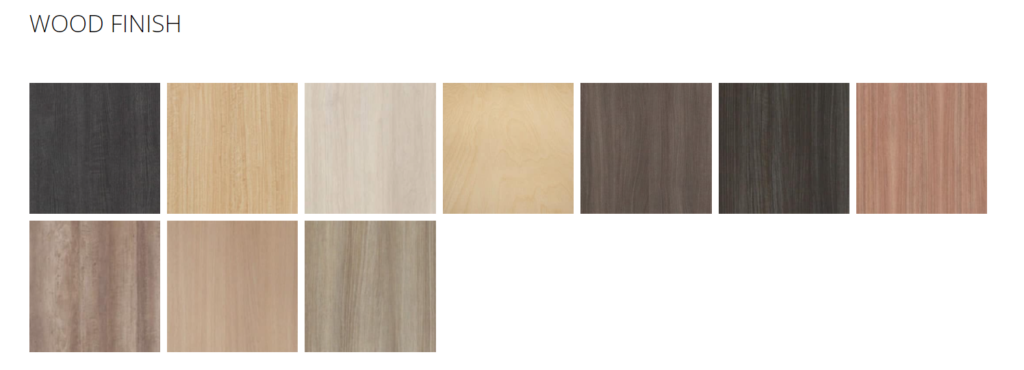
Veneer decides how a slat panel reads in a room. A guide to the common species and finishes — oak, walnut, ash, teak and dyed options — and how to choose for your market.
Cavity Mounting and Air Gaps: The Cheapest Upgrade in Room Acoustics
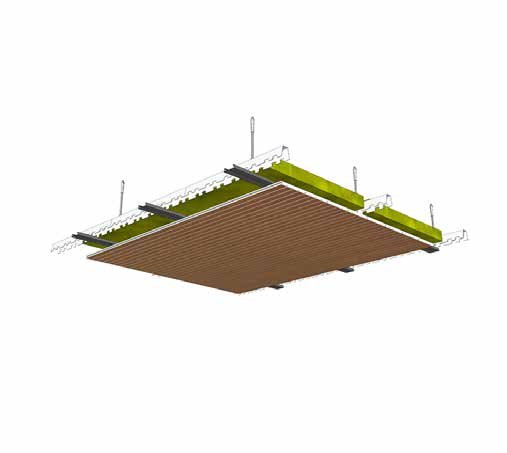
An air gap behind a panel changes its absorption more than almost any other variable. The physics of cavity mounting, the numbers it gains, and how to build it right.
Ceiling Baffles vs Ceiling Clouds: Choosing the Right Overhead Absorber

Baffles hang vertically, clouds float horizontally — both treat the ceiling zone. How they differ in performance, coverage, installation and look, and when each wins.