MST is transitioning export packaging to recycled and recyclable materials across the panel range, completing a programme that began as a customer request and became a design exercise in its own right. The requirement was not simply to swap materials: the packaging has to deliver the same protection that reduced transit damage to near-zero, at a cost the trade can absorb, on a schedule that does not disrupt order windows.
What is changing
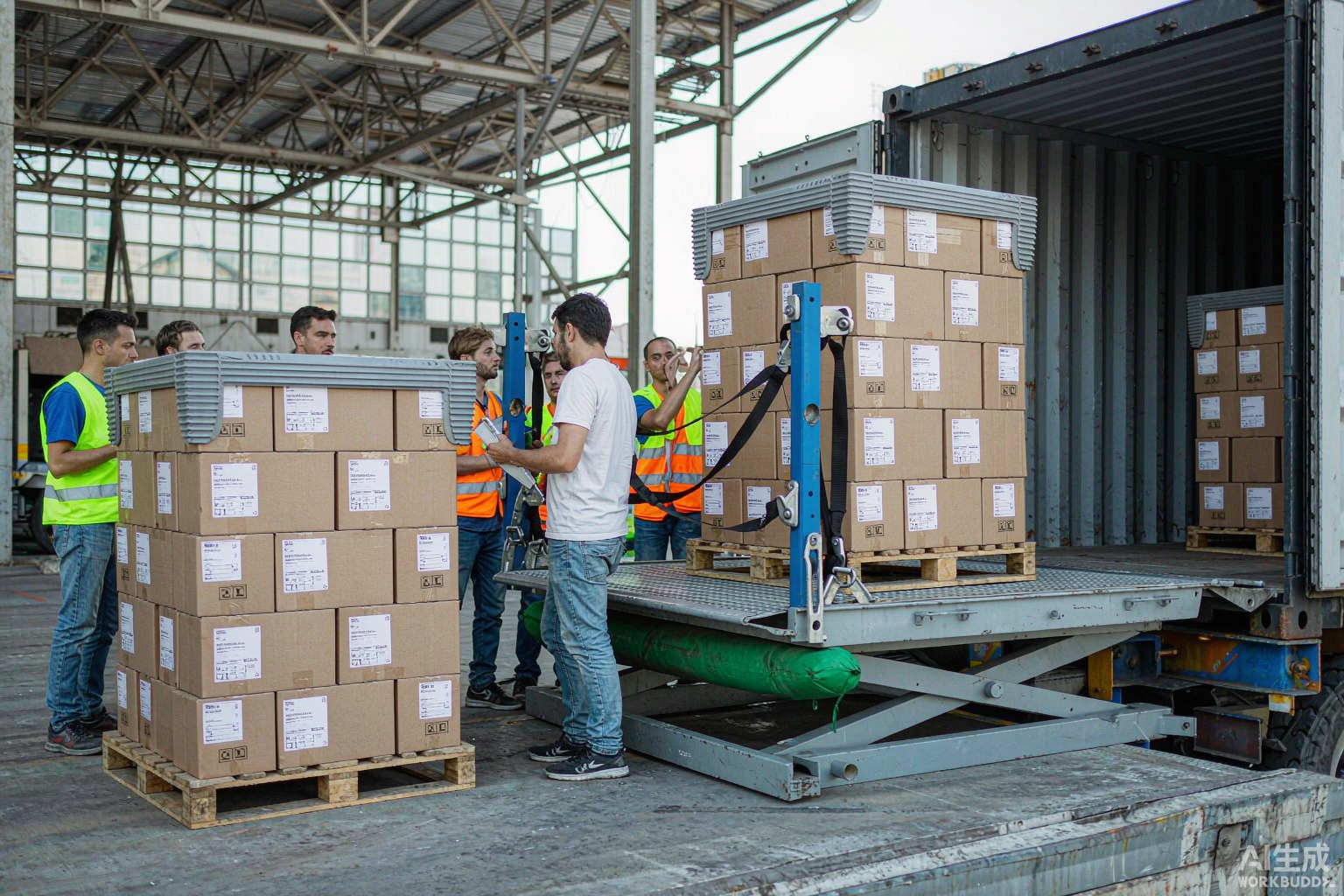
Four components are affected. Corner boards, previously virgin fibre, move to recycled content board with equivalent crush resistance. Interleaving sheets between face-finished panels move from a plastic film to a recyclable paper-based sheet, which required testing to confirm it does not mark lacquered or matte surfaces under load. Outer cartons move to a higher recycled-content board with the same stacking limits. And the strapping moves from a composite to a mono-material that can be recycled in the same stream as the film it replaces.
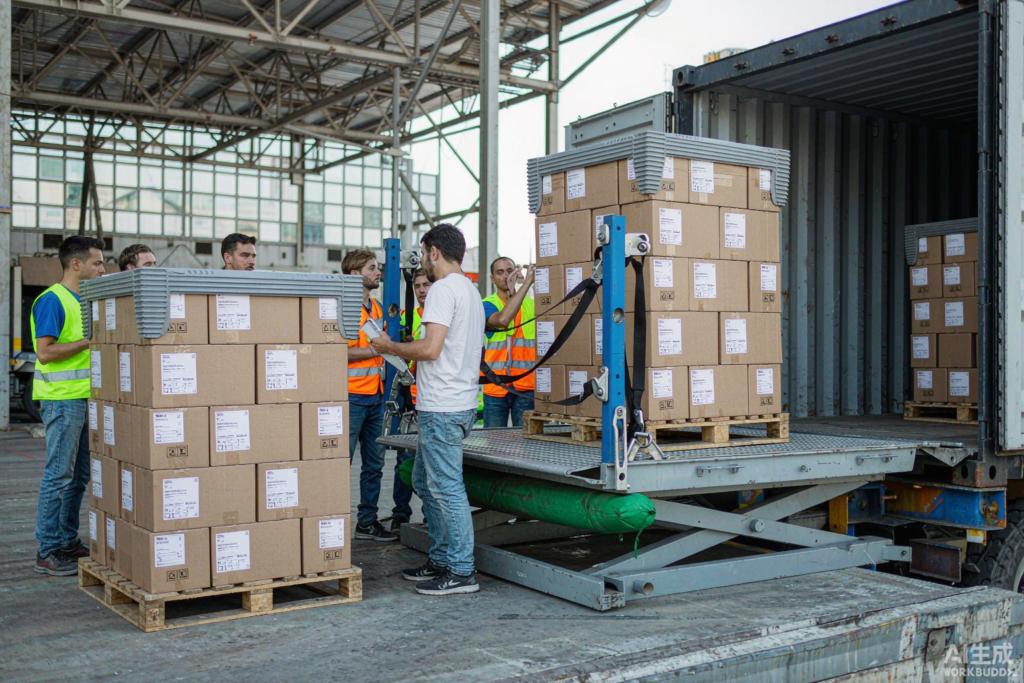
The packing specification that governs how these materials are used — corner boards on all verticals, pressure plate on top, strapping through edge protectors only — remains unchanged. That distinction matters: the protection standard is the thing that reduced damage claims, and it has been treated as fixed while the materials underneath it changed.
Why paper instead of film is harder than it sounds
Interleaving exists to prevent two finished faces from rubbing against each other in transit. A plastic film does that with almost no thickness and no risk of surface marking. A paper-based sheet has to achieve the same separation while being soft enough not to abrade a matte lacquer, stable enough not to absorb moisture and transfer it to the panel, and thin enough not to change the packed dimensions that cartons and container plans are built around.
The transition was validated the way the packing upgrade was validated: trial shipments on the roughest routes in the schedule, unloaded and inspected against checklist, iterated twice before the specification was frozen. Two candidate materials failed — one marked satin veneer under compression, one absorbed humidity on a long sea route — before the final specification passed on all routes tested.
What it costs, and what it saves
The material cost per container rises slightly, because recycled-content board and mono-material strapping sit at a small premium in most markets. Against that, three savings arise. First, disposal: distributors and installers in markets with strict waste segregation now receive packaging that can go into a single recycling stream rather than requiring separation or landfill. Second, compliance: an increasing number of public projects ask for packaging waste data, and a documented recyclable specification answers that question in advance. Third, customer preference: several distributors report that end clients notice packaging, particularly in projects with sustainability certification, and that the change has removed an awkward conversation.
The net position is a small cost increase offset by a marketing and compliance benefit that is difficult to quantify but consistently reported by partners. The company has absorbed the material premium for 2027 rather than passing it through, on the basis that the change should not cost distributors margin in its first year.
The transition schedule
The change is being phased rather than switched in a single day, because packaging specifications are embedded in carton printing, container loading plans, and customer documentation. Standard panel formats move first, from the start of the first quarter; baffles and accessories follow in the second quarter; and custom-cut items last, since their packing varies per order and needs individual validation. Each phase is announced to distributors two weeks before it starts, with photographs of the new packing and an updated packing specification in the document library.
Orders already confirmed at the transition date ship under the specification that applied when they were placed, which avoids disputes about which standard was promised.
The wider direction
Packaging is one element of a broader material programme that includes verified recycled content in the panels themselves, published environmental data, and a production process that re-granulates waste felt rather than disposing of it. Each element is documented rather than claimed, because the point of the programme is to survive an audit rather than to appear in a brochure.
Distributors who need the packaging specification, the recycled-content certificates, or a statement suitable for a client’s sustainability submission can request them through the spec desk; the document set is maintained current and issued under the standard project documentation package.
The validation that mattered most
The packaging transition was not accepted on the basis of material certificates. It was accepted after a series of trial shipments on the routes that had historically produced damage: a long sea route with transhipment and high humidity, a short sea route with multiple handling points, and a road-freight route with poor surface conditions. Each trial was inspected at destination against the standard checklist, and each produced findings that changed the specification.
Two failures are worth recording because they illustrate what packaging actually does. A paper-based interleaving candidate marked satin-lacquered veneer under compression at the bottom of a pallet, which only appeared after a full-height stack had travelled for three weeks. A second candidate absorbed humidity on the long route and transferred a faint pattern to matte felt. Both would have passed a laboratory test; neither survived a real container.
The final specification passed all three routes with no marking, no moisture transfer, and corner protection intact. The lesson is that packaging performance is an empirical property, and the only reliable test is a shipment on the route it will actually travel.
For distributors, the practical consequence is confidence: the specification that ships in 2027 has been validated the same way the previous one was, and the damage rate that fell to near-zero with the earlier standard should hold through the material change. Partners who want the technical documentation for a client’s packaging-waste reporting can request it through the spec desk.
Key Takeaways
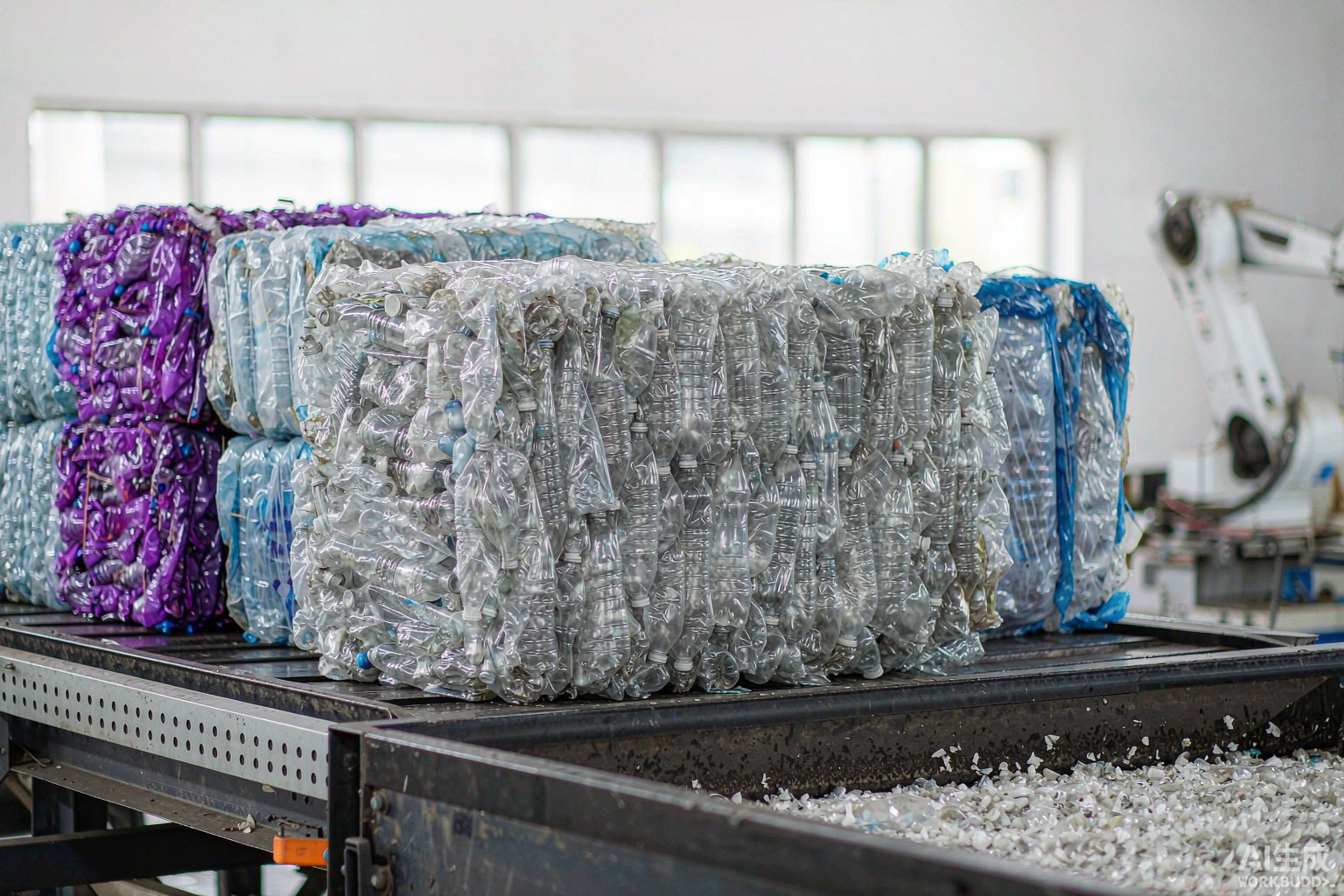
- Corner boards, interleaving, cartons and strapping move to recycled and recyclable materials, phased by product family.
- The protection standard is unchanged: corner boards on all verticals, pressure plates, interleaving, protected strapping.
- Two candidate interleaving materials failed on real routes before the final specification passed all three test lanes.
- The material premium is absorbed by the manufacturer for 2027 rather than passed to distributors.
- Orders confirmed before each phase ships under the standard that applied when they were placed.
Packaging performance is an empirical property: the only reliable test is a shipment on the route it will actually travel. That is why the transition took a year rather than a purchase order.
One consequence worth flagging for distributors: because the new materials are recyclable in a single stream, the packaging can now carry a disposal instruction printed directly on the carton. That instruction has been welcomed by installers in markets with strict waste segregation, and it removes a question that distributors were previously answering case by case. Updated carton artwork ships with the first phase.
Partners who need to demonstrate packaging sustainability to an end client can request a one-page statement covering recycled content, recyclability by component, and disposal instructions. It is maintained with the same version discipline as the technical documents, because a statement that is out of date in a sustainability submission is worse than no statement — it invites exactly the audit scrutiny it was meant to satisfy.