Years in manufacturing are usually described in output figures, and this one can be: capacity roughly doubled, despatch times shortened, and the product range extended. But the more useful review is about what changed structurally, because that determines what the company can do in 2027 rather than what it shipped in 2026.
Production: from one constraint to another
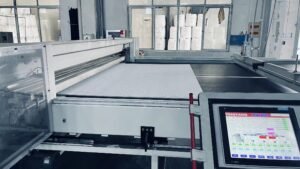
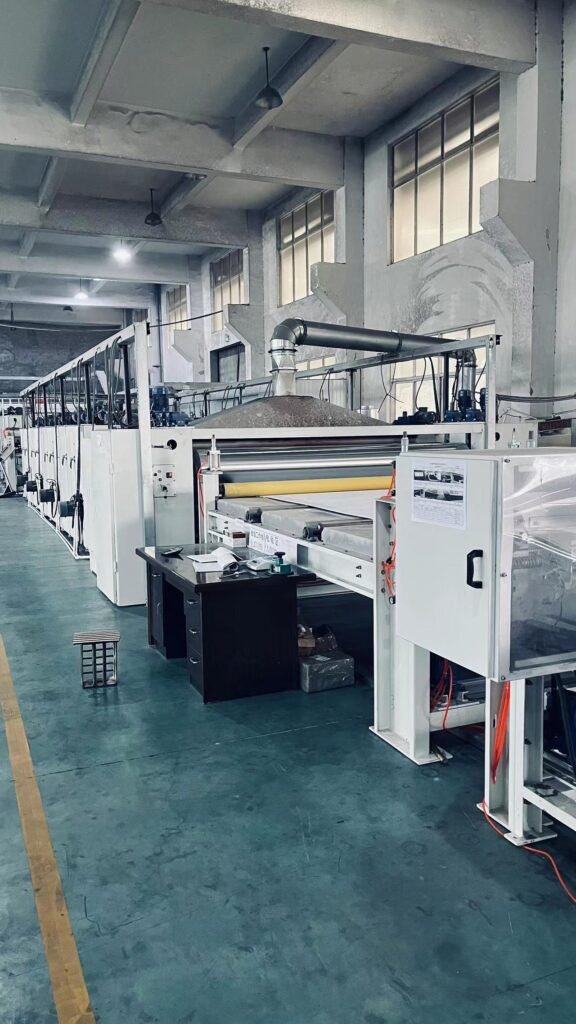
The second pressing line was the year’s largest capital commitment and its effects are already visible in lead times for standard formats. The decision behind it was not growth for its own sake but the recognition that a single line makes every large project a scheduling gamble: accept the order and delay other customers, or decline it and lose the specification. Two lines allow both, and they also shorten recovery from any interruption, which is the part customers never see but always feel.
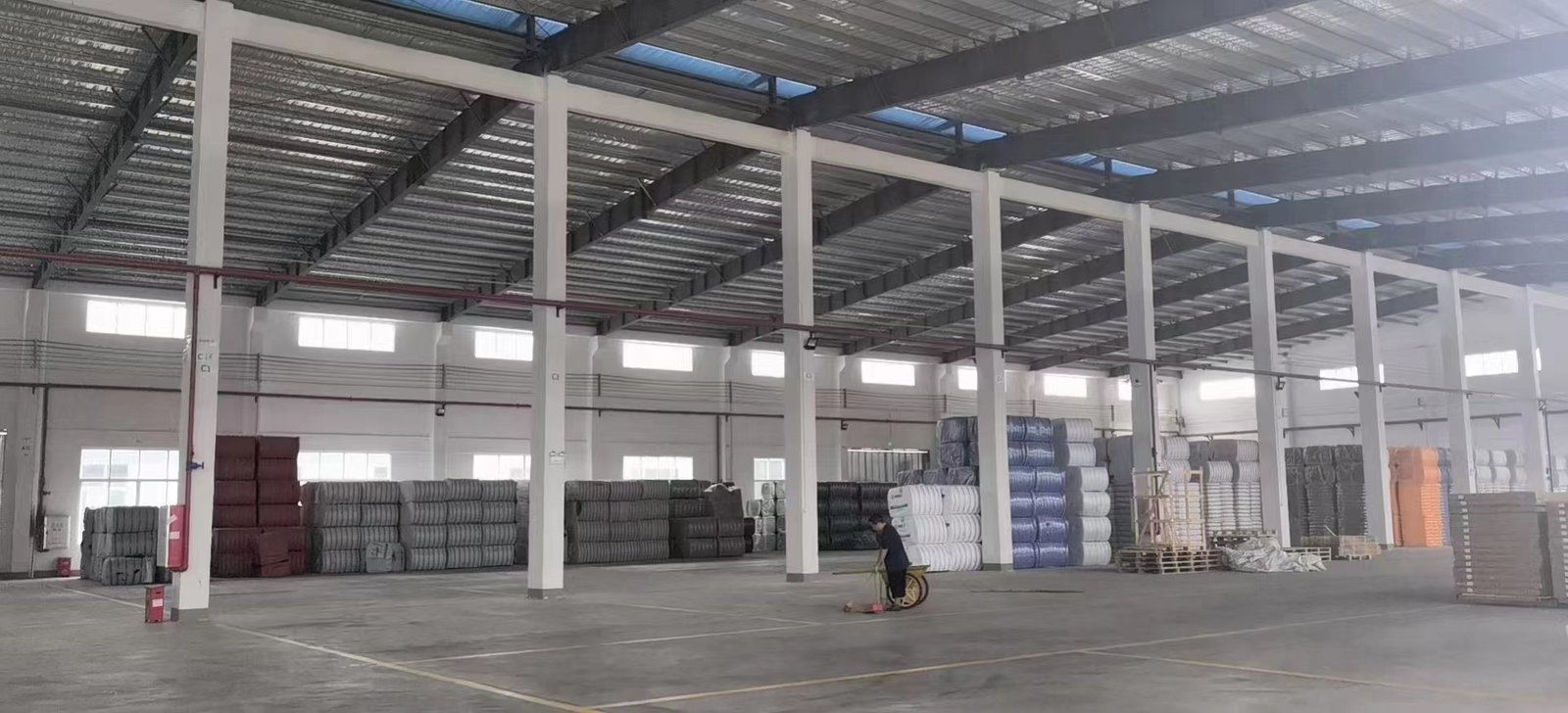
The same logic drove the warehouse programme. Once production stopped being the bottleneck, despatch became one — a familiar sequence in manufacturing, and one that is only solved by treating the warehouse as part of production rather than as storage. Vertical storage and zone picking have reduced pick time and, more importantly, made quick-ship commitments reliable rather than aspirational.
Capability: the laboratory and the veneer range
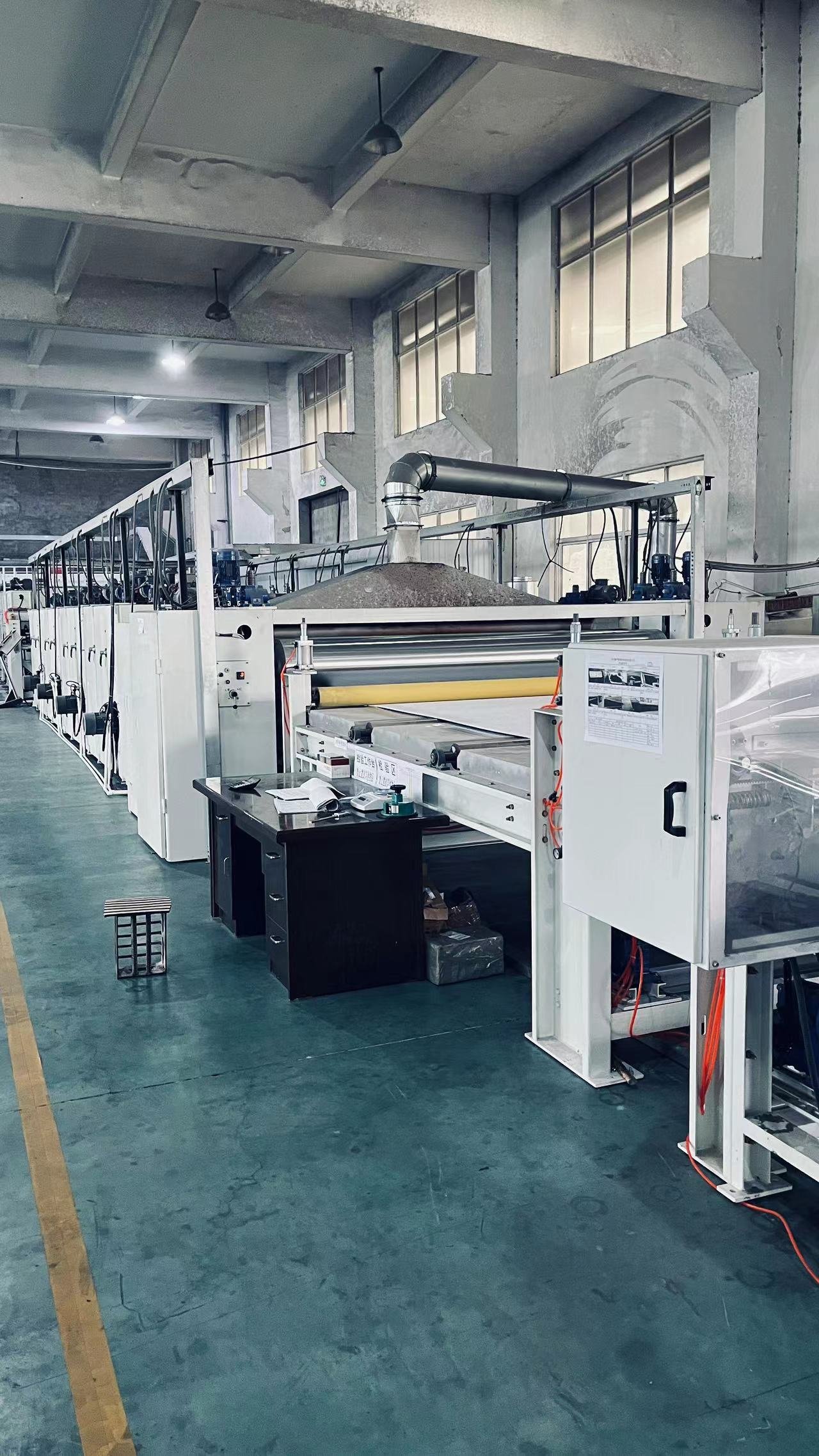
The in-house laboratory changes the pace of product development and the quality of technical support. Being able to measure absorption under a specific mounting condition, and to verify a production batch against its declared performance, converts acoustic data from a document into a working tool. The most immediate benefit has been in specification support: questions that previously ended in an approximation now end in a measurement.
The veneer range expanded with eight new finishes, each qualified on bond strength, surface wear, fire performance as an assembly, and archived colour reference. The qualification routine is slower than adding finishes to a catalogue, and it is what makes a re-order in three years match the wall installed today — the property that matters most to the distributors selling into hospitality and premium commercial work.
Packaging and sustainability
Two years of work on export packing culminated in a standard that has reduced transit damage to a level the logistics team describes as statistical noise: corner protection on all verticals, pressure plates, interleaving, protected strapping, and photographed loading plans per container. This year’s addition was the material transition — recycled board, paper-based interleaving, mono-material strapping — which required validating that protection standards survived the material change. They did, after two candidate materials failed on real routes.
The broader material programme continued alongside: verified recycled content, published emissions data, in-house re-granulation of production waste, and expanding solar generation. The principle throughout has been documentation over claims, because a sustainability statement that cannot survive a procurement audit is worse than no statement at all.
Channel: certification, portal, and regional presence
Three channel investments were prepared this year and launch in the next. The distributor certification programme formalises training that had been delivered ad hoc, with three levels and assessed competence rather than attendance. The order portal replaces email-based ordering with live availability, production status, and document control. And three regional roles add local technical presence in markets where specification support decides the outcome.
Each of these addresses the same underlying issue: as projects become more technical, the difference between winning and losing is competence in the specification process, not price at the point of order. The company’s own capability has to extend to the point where the specification is written, which is usually in a consultant’s office, not in a factory.
What was learned
Three lessons stand out. First, constraints move: solving production exposed despatch, and solving despatch exposes planning, which is why the 2027 focus is forecast discipline rather than more equipment. Second, documentation is a product feature — the projects won this year were frequently won on certificates and measured data rather than on panel performance, which was comparable across bidders. And third, channel investment pays slowly and compounds: a distributor whose team can answer technical questions takes two years to build and then wins specifications for a decade.
The 2027 plan follows directly: complete the regional appointments, integrate stock replenishment with the production schedule, extend the laboratory’s capability into dimensional stability and speech intelligibility, and continue the material programme with published verification. No single item is dramatic. Together they describe a company moving from a supplier of panels to a participant in how acoustic performance is specified — which is where the durable margin sits in this industry.
The numbers, briefly
For partners who track the relationship commercially rather than technically, the year’s measurable changes are these. Production capacity on standard formats roughly doubled with the second pressing line. Standard-format lead times shortened, with stock colours now quoted in days rather than weeks. Warehouse pick time fell with the vertical storage installation, and the order error rate dropped after barcode verification was introduced at pack. Eight new veneer finishes entered the range, each with full qualification documentation. And packaging moved to recycled and recyclable materials without losing the protection standard that reduced transit damage.
On the product side, the range now includes 9 mm through 24 mm felt in the full colour range, slat panels across the expanded veneer set, baffles in three formats, desk screens, and the accessory and fixing range that supports installation. The documentation set — data sheets, certificates, installation guides, maintenance schedules — was completed and placed under version control, which is less visible than a new product and more useful in a specification.
None of these numbers is dramatic in isolation. Together they describe a supplier that can commit to a schedule, answer a technical question, and document a claim — which is what distributors actually need in a market where their own customers are becoming more demanding about all three.
For 2027 the commitments are equally concrete: complete the regional appointments, integrate stock visibility into the portal, extend laboratory capability, and run the certification programme through its three levels. Partners will hear each of these through the account team as it lands, rather than in a year-end summary.
Key Takeaways
- Capacity roughly doubled with a second pressing line; standard-format lead times shortened to days for stock colours.
- Warehouse automation cut pick time and despatch errors; packaging moved to recycled and recyclable materials.
- Eight new veneer finishes added, each fully qualified on bond, wear, fire and archived colour.
- Channel investments prepared for 2027: certification programme, order portal, three regional roles.
- Next year’s focus is planning and forecasting rather than more equipment, because constraints have moved.
The through-line for the year is a shift from supplying panels to participating in how acoustic performance is specified. That is a slower kind of growth than capacity, and it is where the durable margin in this industry actually sits.
One thing that did not change is worth noting alongside the changes: the product range’s core specifications. Felt densities, slat constructions, and fixing systems remain what they were, because a supplier that changes its base product every year gives distributors nothing stable to sell. This year’s work added capability around the range — testing, capacity, documentation, channel support — rather than redesigning what customers already specify with confidence.