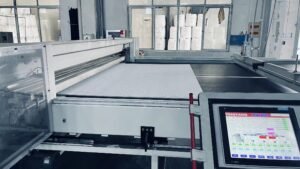

A factory that can produce panels quickly is only useful if it can also ship them quickly, and for the past two years the constraint at MST has been the warehouse rather than the press. Standard formats in a growing colour range, plus a quick-ship programme that promises dispatch in days, had produced a picking operation that depended on experienced staff knowing where things were. The automation programme installed this quarter replaces that dependency with a system.
What the vertical storage system does
The new vertical lift modules store panels and accessories in dense columns, retrieving the requested tray to an ergonomic picking window rather than requiring staff to walk aisles and climb racking. Two benefits follow immediately: floor space released for staging and loading, and picking time reduced because the machine brings the goods rather than the picker going to them. For a product range where the same panel format appears in a dozen colours and three thicknesses, that retrieval speed compounds across every order.
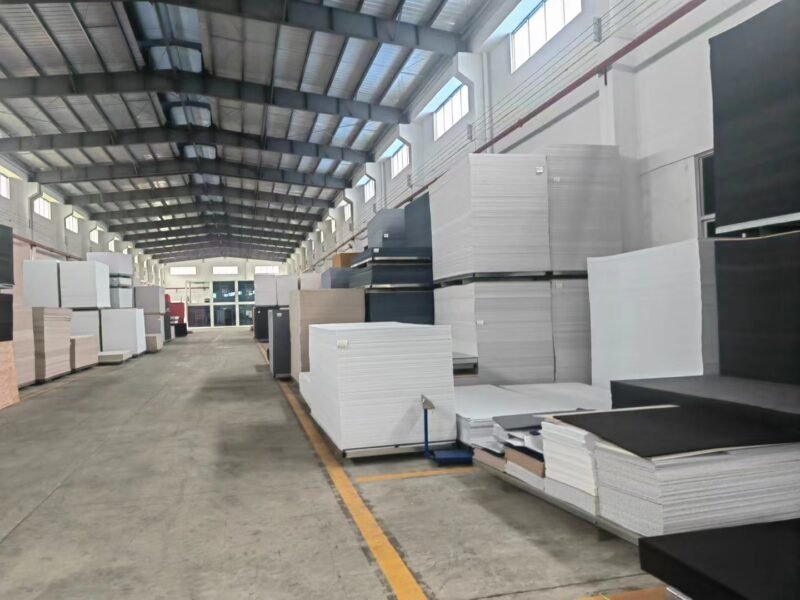
Density matters too. Panels are volumetric, and a warehouse that stores them flat on racks wastes the vertical space above. Vertical storage makes that space usable without introducing the handling risk of high racking, which is a persistent problem with large-format boards.
Zone picking and barcode verification
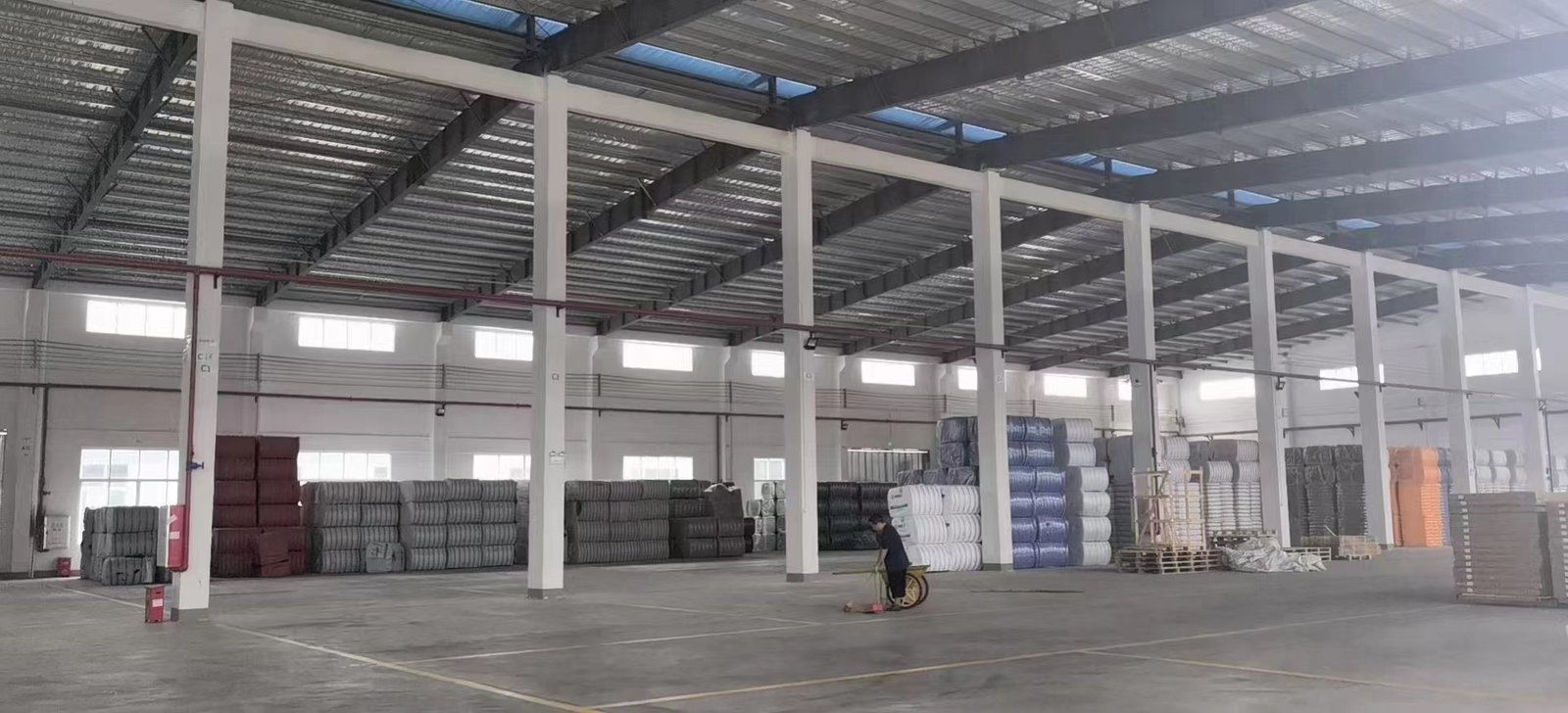
The layout has been reorganised into zones: standard panels by format, custom-cut and remnant stock separately, accessories and fixings in a dedicated area, and finished project orders staged for consolidation. Pickers work one zone per pass, which reduces the walking and the errors that come from mixing product families in a single pick list.
Every pick is now verified by barcode against the order line, and every carton carries a label tied to the packing list. The verification step is the one that has changed complaint patterns most, because the most common despatch error in the panel trade is not the wrong product but the wrong colour or thickness within the right product family — an error that a barcode check catches and a visual check does not.
What this changes for distributors
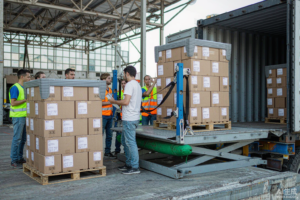
Three practical improvements. First, quick-ship reliability: dispatch within the promised window now depends on stock availability and pick capacity rather than on whether the right person is on shift. Second, consolidated shipments: because staging space exists, orders that previously shipped separately can be assembled into one container, which reduces freight cost per square metre. Third, order visibility: the barcode trail means a distributor asking where a specific pallet is can get an answer rather than a search.
Damage in the warehouse has also fallen, partly because fewer manual movements mean fewer drops, and partly because the packing standard introduced last year is now applied in a dedicated packing area with the materials at hand rather than improvised at the loading dock.
The people side
Automation projects fail when they are described only in equipment terms, and the warehouse team has been central to this one. Pickers were involved in the zone design, because they knew which product combinations actually occur together; two of the layout decisions came directly from their suggestions. Training on the vertical lift modules took two weeks including a parallel-running period, during which both the old and new methods operated so that no shipment slipped.
The team has also taken on new responsibilities: system administration, stock accuracy checks, and the exception handling that any automated process generates. Those roles are more skilled and better paid than the picking they replaced, which is the outcome that makes an automation programme sustainable rather than merely efficient.
What comes next
The next phase links the warehouse system to the production schedule, so that stock levels for quick-ship lines are replenished automatically as production completes, rather than by manual review. That integration is the step that turns a faster warehouse into a self-correcting one, and it is scheduled before the 2027 peak season.
For distributors, the practical message is that the two constraints that used to define lead time — press capacity and despatch capacity — have both been addressed within the same year. The remaining variable is planning, which is why the sales team is asking for earlier forecasts: with production and warehouse no longer the bottleneck, the schedule can genuinely follow the market rather than the factory’s internal limits.
How the picking data is used
Every pick is now recorded, which produces a dataset that did not previously exist: which SKUs move together, which colours are ordered consistently, which formats sit in stock for months, and which are picked daily. That data is already changing decisions. Slow-moving colours are being reviewed against the range rather than assumed to be necessary; fast-moving combinations are being stored closer to the packing area; and the quick-ship list is being re-evaluated against actual drawdown rather than against the original selection.
The more interesting use is forecasting. Because picks are timestamped, the warehouse can show seasonal patterns by product family — when 24 mm felt demand rises, when slat panels peak, when accessories are ordered with panels rather than separately. Those patterns feed the production planning conversation, and they give distributors a factual basis for their own stock decisions rather than a hunch about what sells in their market.
Accuracy has improved as a side effect. Barcode verification at pick and pack means a colour or thickness error is caught before the carton is sealed, and the error rate is now measured weekly rather than discovered through complaints. For a product range where a wrong colour is not just an inconvenience but a project delay, that change is worth more than the time saved.
Distributors see the benefit indirectly, in fewer discrepancies on arrival and faster answers to questions about a specific pallet. The next phase — linking stock levels to the production schedule — will make availability visible in the portal, which is the change partners have asked for most often.
Key Takeaways
- Vertical lift storage frees floor space and cuts pick time by bringing stock to the picker rather than the reverse.
- Zone picking separates panels, custom-cut stock, accessories and staged project orders, reducing walking and errors.
- Barcode verification at pick catches the most common despatch error in the trade: right product family, wrong colour or thickness.
- Staging space enables consolidated shipments, which lowers freight cost per square metre.
- Warehouse staff shaped the layout; the new roles are more skilled than the picking they replaced.
With press capacity and despatch capacity both addressed in the same year, the remaining constraint is planning. That is why the sales team is asking for earlier forecasts: the schedule can now follow the market rather than the factory’s internal limits.
One further detail is worth mentioning for partners who ship consolidated orders: the staging area now allows a project’s panels, baffles, fixings and trims to be assembled and photographed as a single consignment before loading. That photograph, filed with the packing list, has become the fastest way to resolve a short-delivery query, because it shows exactly what left the building rather than what the system believes left the building. It is a small procedural addition that removes a recurring argument.