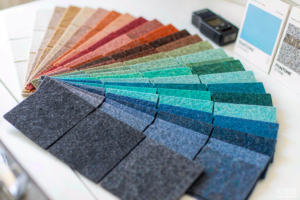
“Will these panels soundproof my wall?” is the most common — and most expensive — misunderstanding in the acoustic trade. Panels and barriers both promise acoustic relief, but they do opposite jobs. Absorption treats the inside of a room; insulation blocks sound from traveling through a construction. Customers who buy the wrong one end up disappointed, and distributors who cannot explain the difference lose the order they could have won with the right one. Here is the working distinction, and where mass loaded vinyl (MLV) fits.
Two different physics, two different metrics
Sound absorption is what porous panels do: convert sound energy to heat as air moves through fibers, reducing reverberation within the room. Its metric is the absorption coefficient (NRC, SAA, αw) — numbers between 0 and 1. A panel with NRC 0.85 absorbs 85% of the sound that reaches it. Absorption never blocks transmission; a curtain of the best absorbers in the world still lets conversation pass through.
Sound insulation is what massive, sealed, decoupled constructions do: reflect or dissipate sound energy trying to pass through a wall, floor or ceiling. Its metric is transmission loss, summarized as STC (or Rw in Europe) — numbers like STC 50 describe how much quieter the room beyond will be. Insulation follows the mass law: double the surface weight, gain roughly 6 dB. Thin, light, porous panels are nearly invisible to transmission.
Where mass loaded vinyl fits
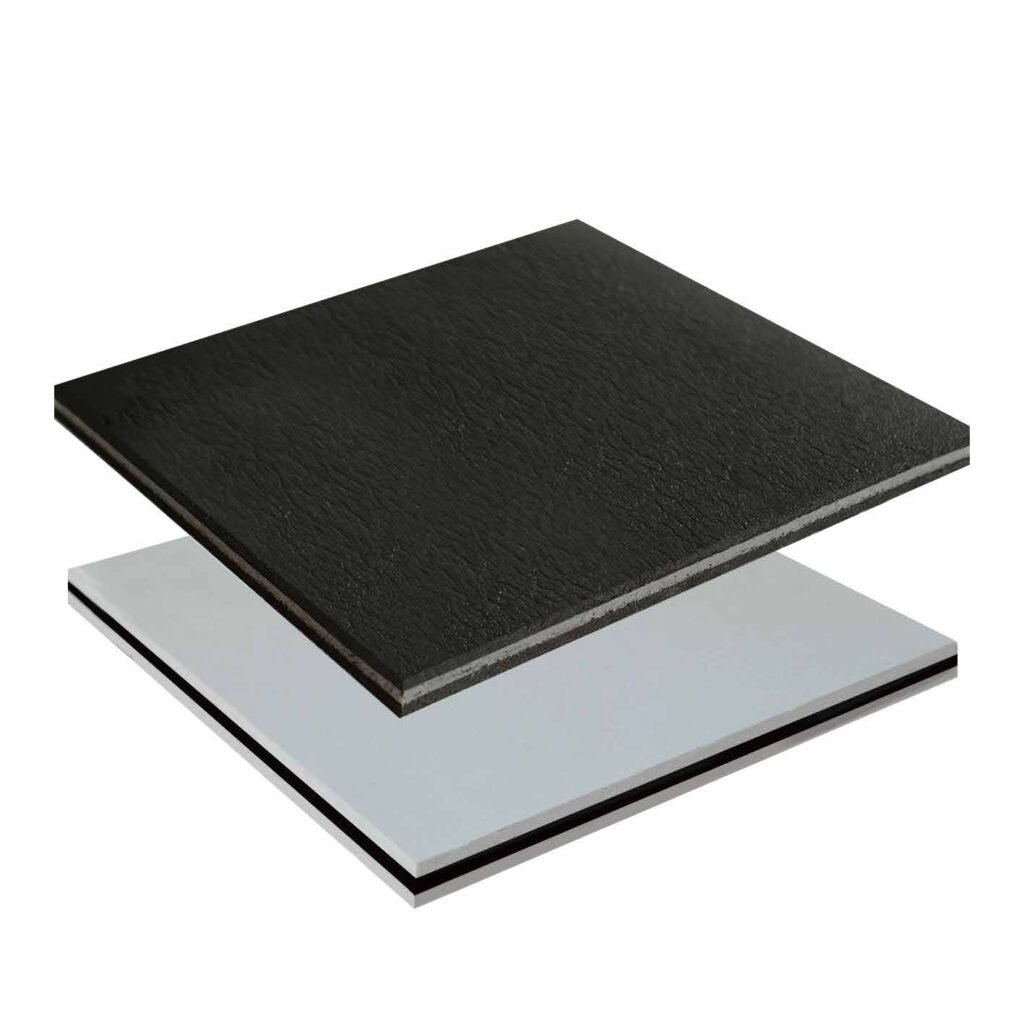
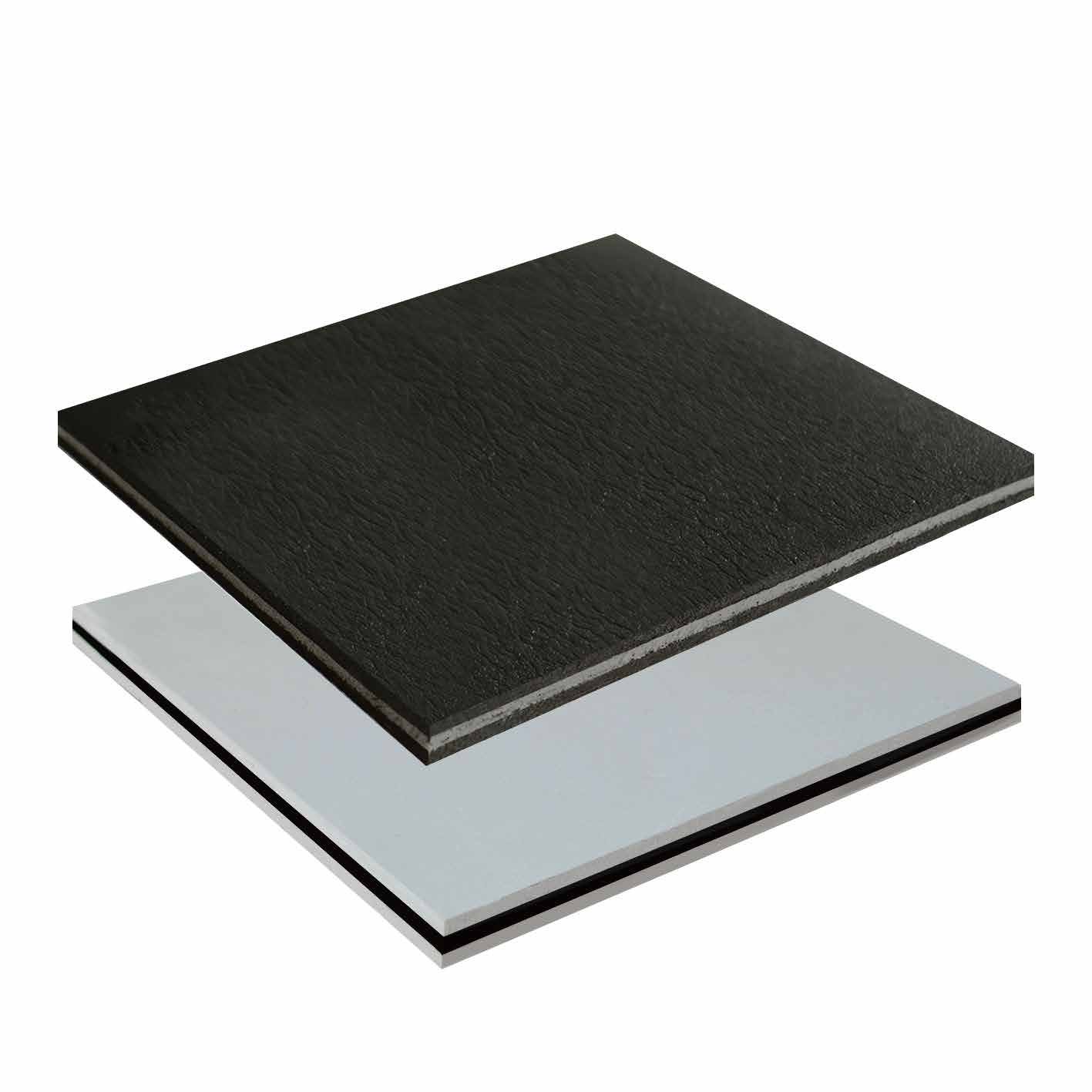
MLV is a dense, flexible barium- or mineral-loaded membrane, typically 1–5mm thick, hung inside wall or floor build-ups to add mass without adding thickness. It excels in retrofits — party walls, mechanical rooms, home cinemas — where adding a concrete wall is impossible. In a standard upgrade, MLV layers between studs, decoupled from both faces, can lift a partition’s STC by meaningful margins. But note what MLV does not do: an MLV-lined room with bare drywall still sounds like an echo chamber, because nothing inside the room is absorbing.
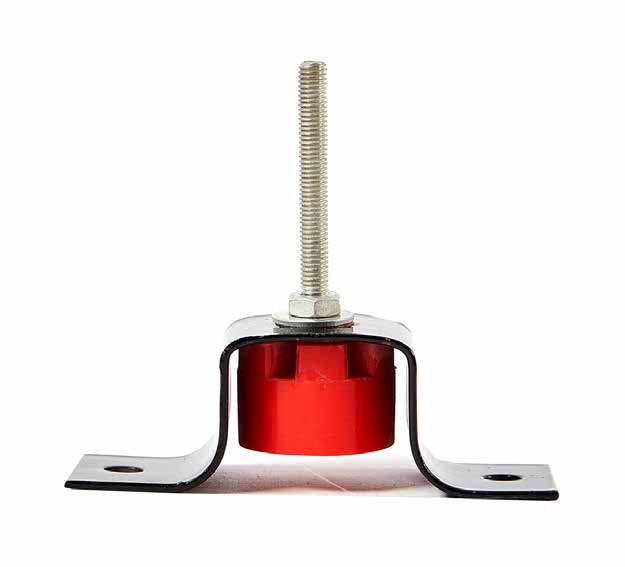
The correct mental model is a sandwich: insulation keeps noise out; absorption makes the inside sound good. Cinemas combine MLV and resilient channels in the walls with thick absorption on the inside faces. Meeting rooms combine upgraded partitions with PET panels between them. The products are teammates, not substitutes.
Diagnosing the customer’s real problem
Most “soundproofing” inquiries are absorptive problems wearing insulation language. The quick diagnostic:
- “The room echoes / we can’t hear each other.” Reverberation — sell absorption. Panels, baffles, ceiling clouds.
- “We hear the neighbors / the meeting room next door.” Transmission — insulation is needed. If the customer cannot build, set expectations honestly: a decorative panel will not stop the neighbors’ television.
- “Both, actually.” The most common real answer in offices and residential. Quote the build-up (barrier in the partition) plus the finish (panels on the faces) — and win the full project instead of half of it.
Selling the difference with confidence
The distinction is also a sales opportunity. Distributors who carry both families — absorptive panels and barrier composites — quote complete acoustic packages and position themselves as problem-solvers rather than catalog vendors. The vocabulary to train every salesperson on is short: absorption = inside the room (NRC); insulation = through the wall (STC); the best rooms use both. Customers remember the sentence, and the supplier who taught it to them gets specified for both halves of the next project.
Where Each Product Belongs in a Real Building
The confusion dissolves once you follow sound through a building. Within a room – voice, music, HVAC hum bouncing off surfaces – absorption panels are the correct tool, and their NRC rating predicts effectiveness directly. Between rooms, the question becomes transmission: sound passing through a wall or floor, where the governing physics are mass, airtightness, and structural decoupling. Absorption panels contribute almost nothing there; a felt panel on a wall changes the room’s acoustics, not the wall’s insulation value. Mass loaded vinyl belongs to this second problem, layered inside a partition to add density without thickness, typically improving a stud wall’s rating by several decibels when combined with insulation in the cavity and sealed joints.
Products blur the line deliberately in their marketing, so buyers should translate every claim back to a measured quantity. For room acoustics, ask for absorption coefficients per frequency band and the reverberation model for your actual room. For partitions, ask for the tested sound reduction index of the complete assembly – wall build-up, insulation, and any damping layer together – because assemblies, not materials, carry ratings. A wall system quoting a laboratory figure that your contractor’s build detail does not reproduce will underperform by design, not by accident.
Specifying Both Together: The Complete Room
Premium projects need both disciplines, sequenced correctly. The partition is designed first: mass, cavity insulation, and decoupling chosen to hit the insulation target between rooms. Interior acoustics follow: absorption area calculated to reach the reverberation target, distributed across ceiling and walls where reflections matter most. A meeting room built this way keeps its conversations private between rooms and its speech intelligible inside them – two independent goals that no single product delivers. Distributors serve clients best by stocking the pairs: absorption panels alongside cavity insulation and damping materials, with documentation that names which problem each product solves. The supplier who educates the market on this distinction does more than sell more SKUs; they prevent the most common acoustic disappointment in construction – a beautiful set of wall panels installed on a wall that was never going to keep the meeting room quiet.
Key Takeaways
- Absorption fixes sound inside a room; insulation and mass fix transmission between rooms.
- Assemblies carry sound ratings, not materials – demand the tested build-up.
- Design the partition first, then the interior acoustics; no single product delivers both.
- Stock and sell the pairs: panels alongside cavity insulation, with documentation naming which problem each solves.