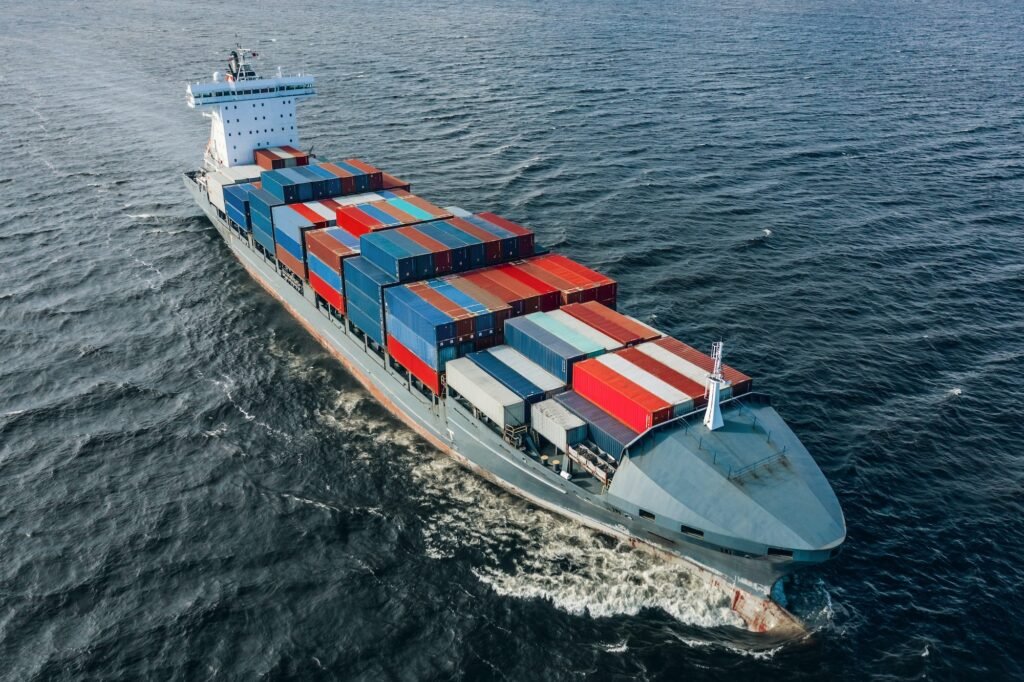
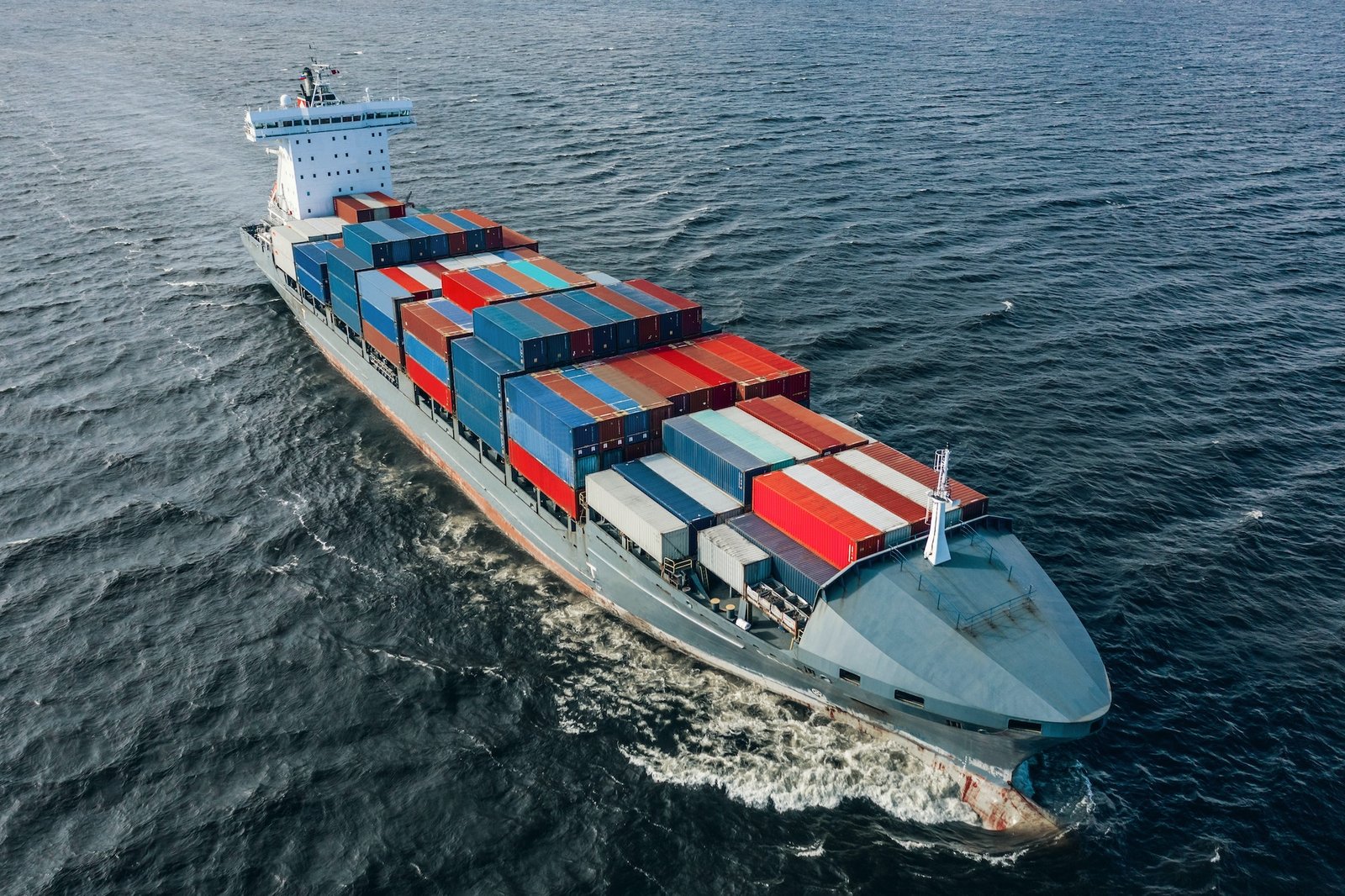
A container of acoustic panels is a promise moving across an ocean: the promise that a project starts on schedule. The importers who keep that promise reliably are not the ones with the best luck — they are the ones who run freight as an information system. Tracking that flags exceptions before customers feel them, insurance that actually pays, and a claims process rehearsed before it is needed: together they form what the trade now calls freight intelligence. Here is the working version for panel importers.
Tracking: from “where is my container” to “what needs my attention”
Modern visibility tools — carrier APIs, freight-forwarder dashboards and port-congestion feeds — have changed the importer’s job from asking to acting. The practical setup:
- Milestone alerts, not maps. The useful notifications are exceptional ones: rolled booking, transshipment delay, customs hold. Everything else is scenery.
- Project-linked calendars. Tie each container to the fit-out phase it feeds; a two-week slip stops being an abstract delay and becomes a concrete decision — air-freight the critical zone or re-sequence the install.
- Customer-visible status. Sharing milestone tracking with the project contractor turns the distributor into the calmest voice on the program call.
Insurance: the policy that pays
Marine cargo insurance is cheap relative to what it protects — typically a small fraction of a percent of cargo value — but policies differ in the details that matter for panels:
- Institute Cargo Clauses (A) — all-risks cover — is the sensible default; (B) and (C) exclude the handling damage that actually happens to panel shipments.
- Check the packing exclusion. Insurers can decline claims where packaging was inadequate. This is why supplier packing standards and photo documentation matter as much as the policy itself.
- Declare value honestly and completely. Under-declared claims are reduced proportionally; the saving on premium is illusory.
- Understand the franchise and deductible. Small damages per carton accumulate; a policy with a per-container deductible set sensibly for panel values avoids disputes on partial losses.

Claims: a process, not an argument
When damage occurs, the importers who recover costs are the ones with a rehearsed sequence:
- Photograph everything at the dock before opening — container seal, exterior, packaging condition — then unpack with the camera running.
- Quantify precisely: damaged cartons per pallet, panels per carton, against the packing list. Vague claims invite reduced settlements.
- Notify within the policy window — typically days, not weeks — to the insurer and the carrier simultaneously, with the bill of lading, packing list and survey report attached.
- Request a survey for significant losses. The surveyor’s report is the document that converts your description into an accepted claim.
Suppliers share responsibility in this system. Pre-loading photographs, honest packing specifications and responsive replacement terms (a replacement in the next shipment beats a month of argument) turn claims from relationship-ending events into routine maintenance.
The intelligence dividend
Freight intelligence compounds. Every tracked exception refines the next booking; every documented claim strengthens the packing spec; every insurance renewal reflects a loss history you can show. Importers who build this discipline move acoustic panels the way the best companies move anything: predictably, recoverably, and with the kind of calm that customers notice and competitors cannot copy.
Insurance and Claims: Closing the Data Loop
Freight intelligence pays its clearest dividend at the moment something goes wrong. Marine cargo insurance for acoustic panels is straightforward until a claim arises; then the difference between a paid claim and a contested one is documentation quality. Photographs of container loading, seal numbers recorded at departure and arrival, temperature and humidity data for sensitive cargo, and timestamped exception reports from tracking platforms together form an evidence pack that insurers process quickly. Importers who assemble this pack as a routine – not as a scramble after damage – report claim settlements in weeks, with fewer disputes over whether damage occurred in transit or in handling.
The same data improves insurance economics proactively. Carriers and insurers increasingly price on demonstrated risk: a shipper who can show low claim frequency, proper packaging standards, and monitoring on sensitive lanes negotiates better rates at renewal. Some platforms now issue monthly risk summaries that slot directly into an insurance renewal pack. For a distributor shipping hundreds of containers of panels a year, even a modest premium reduction covers the platform subscription several times over.
A Pragmatic Adoption Roadmap
Full visibility does not need to arrive in one purchase. A workable sequence for a mid-size panel importer: first, standardise milestone tracking on all shipments through a freight platform, replacing email chases; second, add IoT monitoring to the lanes where panels have historically suffered – humid sea routes and any transhipment through high-heat hubs; third, integrate exception alerts into the team’s workflow so a stuck container triggers a customer notification before the customer asks; fourth, archive the evidence pack per shipment in a shared system organised by container number. Within two or three quarters, this sequence converts freight from a source of anxiety into a managed process – and the accumulated data becomes leverage in both freight rate negotiations and insurance renewals, which is where the intelligence finally shows up on the profit line.
Key Takeaways
- Claims are won by documentation: loading photos, seal numbers, monitoring data, timestamped exceptions.
- Demonstrated low risk earns better freight and insurance rates at renewal.
- Adopt in four steps: milestone tracking, IoT on rough lanes, exception alerts, archived evidence packs.
- The intelligence pays out where it belongs – on the profit line.
One caution rounds out the picture. Tools multiply; discipline does not come from software. The importers who benefit most from freight intelligence run it with ownership – a named person who reviews exceptions daily, a weekly freight meeting with fixed numbers on the wall, and an annual review that retires alerts nobody reads. Platforms that go unwatched produce data without decisions, and the subscription quietly becomes a cost centre. Start with one lane, one exception type, and one accountable owner; prove the loop from detection to resolution to customer communication; then widen. Distributed teams should resist the urge to automate communication before they have automated attention – a customer told promptly about a delayed container forgives the delay, while a customer who discovers it at the port does not forget it.